Artificial intelligence is rapidly transforming how users interact with ServiceNow, creating more intuitive, efficient, and personalized experiences. As AI capabilities continue to evolve, we're seeing exciting new possibilities for enhancing UX design in ServiceNow implementations.
Predictive Interfaces
AI-powered predictive interfaces can anticipate user needs based on historical data, context, and behavior patterns. For ServiceNow users, this means interfaces that adapt in real-time, presenting the most relevant information and actions without requiring extensive navigation.
Natural Language Interactions
The integration of natural language processing (NLP) is enabling more conversational interactions within ServiceNow. Users can now query systems, submit requests, and complete tasks using everyday language, significantly reducing the learning curve and improving accessibility.
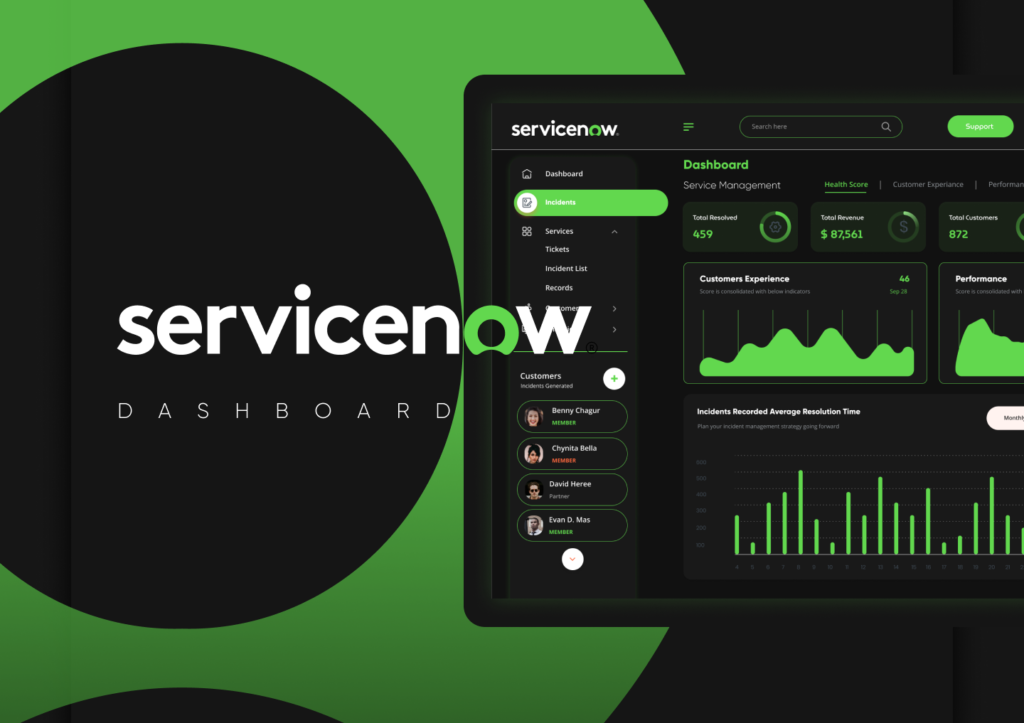
Natural language interfaces make complex systems more accessible to all users.
Intelligent Automation
AI is powering more sophisticated automation within ServiceNow, handling routine tasks and decisions without human intervention. This allows interfaces to focus on exceptions and higher-value activities, streamlining the user experience.
"The most powerful AI implementations in ServiceNow are those that augment human capabilities rather than replacing them, creating a collaborative intelligence that enhances the user experience."
— ServiceNow AI Research Team
Personalization at Scale
AI enables hyper-personalization of the ServiceNow experience based on individual user preferences, behavior patterns, and needs. This level of customization would be impossible to achieve manually but becomes scalable with machine learning algorithms.
As these AI capabilities continue to mature, we can expect ServiceNow experiences to become increasingly intuitive, proactive, and aligned with how people naturally work and think.